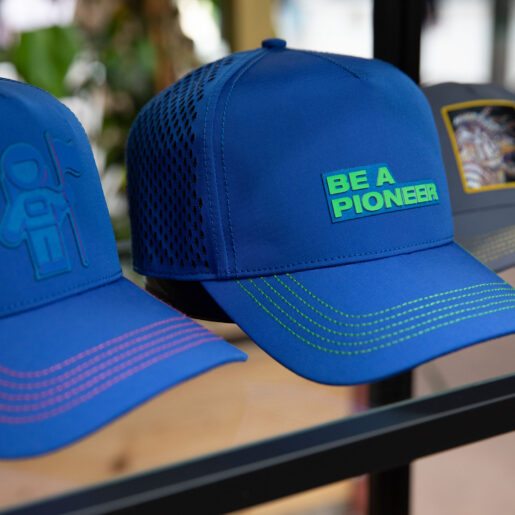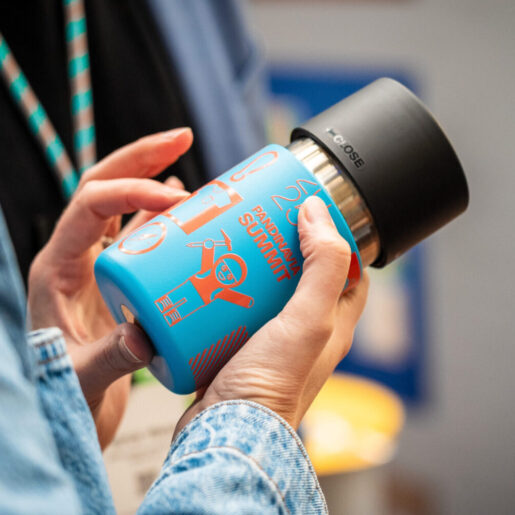
When companies want to increase their brand awareness and strengthen their relationships with customers or employees, they cannot overlook Branded Merchandise. The decisive factor is which products are selected and what benefits they offer in the respective context. A well-chosen item accompanies everyday life over a longer period and repeatedly brings the brand to mind. This requires a product idea that fits the target group and the brand image. The intended use also influences the selection. During onboarding, merchandise can convey a sense of belonging. With customer gifts, appreciation is often the main focus. Materials and finishing additionally shape how the item is perceived. Those who consider these factors during the planning stage create a solid foundation for merchandise that is used beyond the original occasion and supports long-term brand impact.
What Distinguishes Effective Branded Merchandise from Interchangeable Promotional Items
Branded Merchandise achieves its impact primarily when a product is used beyond the original occasion and simultaneously fits the brand. A promotional item that quickly disappears into a drawer after a trade fair or event fulfils this purpose only to a very limited extent. Products with a specific benefit and a clear connection to the target group are relevant. The design should also align with the brand image. This creates a connection to the brand that goes beyond simply placing a logo on a product.
Everyday Products with Long-Term Presence
The more frequently a product is used in everyday life, the longer the associated brand remains present. A useful object has a clear advantage over items intended for only a single occasion. Which products are suitable depends strongly on the target group.
The following characteristics are particularly important for long-term use:
- a function that is regularly needed in everyday life
- workmanship that withstands frequent use
- a design that still fits the brand even after a longer period
Different items are often suitable for employees working in an office. People who travel frequently are more likely to need portable companions. The decisive factor remains the specific benefit and whether the object will be used over a longer period. In this way, Branded Merchandise gains presence without having to be consciously noticed all the time in everyday life.
Making Brand Identity Visible Through Design and Finishing
Colours, materials and the type of finishing shape how a product is perceived and how strongly it fits the brand. Engraving on metal conveys an understated impression. On textiles, a larger printing area provides more space for colour and form. Design and product should be aligned with the existing brand identity. This makes Branded Merchandise a consistent part of brand communication and gives it a high level of recognition.
Even small design decisions can make a significant difference. A brand colour does not have to dominate every surface. Often, precise placement is enough to clearly associate the item with the brand without affecting its everyday use.
Occasion and Target Group Determine the Selection
Product selection begins with the question of who will receive the item and in what context it will be used. During onboarding, functional products can accompany the introduction to the company. For customer gifts, the existing relationship and the significance of the occasion carry greater weight. Trade fair items, on the other hand, must be easy to understand and practical to use. The more precisely this context is defined, the more appropriately the merchandise can be tailored to its use and the brand image.
Merchandise for Employees Strengthens a Sense of Belonging in Everyday Working Life
Merchandise for employees can be used during onboarding, at internal events or in the daily working environment. Products that are used regularly and establish a recognisable connection to the company are particularly useful. Textiles or practical office accessories are possible options, provided they suit the working reality of the respective teams. This gives the merchandise a function that goes beyond a decorative brand presence.
For hybrid teams, products that can be used in different workplaces may be useful. Portable accessories work in the office, at home and on the move. A purely stationary item, by contrast, serves a more limited purpose. The quality of the selection improves when the recipients’ working methods are already taken into account in the product decision.
Selecting Customer Gifts and Event Items According to Relationship and Occasion
When selecting customer gifts and event items, the choice should suit the respective recipient. At a trade fair, compact products that can be distributed easily and used immediately are in demand. For an anniversary or a personal thank-you to long-standing business partners, the selection can be more individual. The quantity also influences how extensively an item can be personalised. As the relationship with the recipient becomes closer, targeted coordination with the occasion and relationship becomes increasingly important.
For Branded Merchandise in customer contact, the timing of the handover is also relevant. A product connected to a completed project or a shared milestone gains a meaningful context. This transforms a promotional item into an object that recalls a specific business relationship.
Which Products Fit the Brand in the Long Term
A good merchandise product should continue to fit the brand after its first use and remain useful in everyday life. Quality and usability are just as important in the selection process as compatibility with the design. Trend products can attract attention but quickly lose relevance if their practical benefits are limited. In the long term, items that fit the company’s visual identity and positioning and are used over an extended period are more convincing.
Quality and Lifespan as Criteria for Product Selection
In merchandise, workmanship plays a significant role in determining how long a product is used. Robust seams or durable fasteners extend its lifespan and influence the impression the item conveys of the brand. Before placing larger orders, samples can help assess materials and feel under realistic conditions. Finishing should also be taken into account.
Care also plays a role. Textiles, drinking vessels and bags are regularly cleaned and subjected to corresponding wear. If their shape and finishing are maintained over a longer period, this supports the desired brand impact. Branded Merchandise should make a convincing impression upon first contact and continue to function reliably after repeated use.
Customisation with Recognition Value and a Connection to the Brand
A high level of recognition is achieved when customisation is consistently aligned with the brand. Colours or specially developed product details can significantly strengthen the connection to the brand identity. Packaging also offers additional design possibilities. The extent of this customisation depends on the intended purpose and the planned production quantity. Branded Merchandise appears particularly coherent when familiar design elements are incorporated, making the product clearly identifiable.
For larger series, a recurring design can make the connection between different products within a shared range visible. This makes brand management easier when items are distributed across different occasions or ordered internally.
Evaluating Sustainability in Merchandise in Concrete Terms
Sustainable merchandise begins with the question of how long a product is used and under what conditions it was manufactured. Material selection and origin provide important indications but are not sufficient on their own for a well-founded assessment. Workmanship and realistic order quantities are equally relevant. If large quantities remain unused, even a resource-efficiently produced item loses part of its sustainability credentials.
Considering Materials and Origin from Different Perspectives
Materials should be assessed according to their origin, processing and subsequent use. Recycled plastics or certified wood can be suitable if their properties match the product and its intended use. What matters is how durable the material remains in everyday life and what lifespan can be expected. Documented certifications help to better assess statements about origin.
The supply chain also deserves attention. Long transport routes or complex material mixtures can change the assessment. For Branded Merchandise, it makes sense to consider the product’s journey through to its use rather than stopping at a single material specification.
Durable Products as an Alternative to Short-Lived Giveaway Items
A long lifespan increases the likelihood that merchandise will remain present in everyday life for months or years. When selecting products, characteristics that quickly become apparent in daily use can help:
- stable workmanship in frequently used products
- materials that retain their function even after prolonged use
- finishes that withstand abrasion or regular cleaning
- a practical benefit that continues beyond the original occasion
With larger quantities, product quality has a direct impact on the lifespan. A smaller selection of well-chosen products is often the more sensible solution if it means fewer items remain unused or need to be replaced prematurely.
Planning and Implementing Branded Merchandise Professionally and Effectively
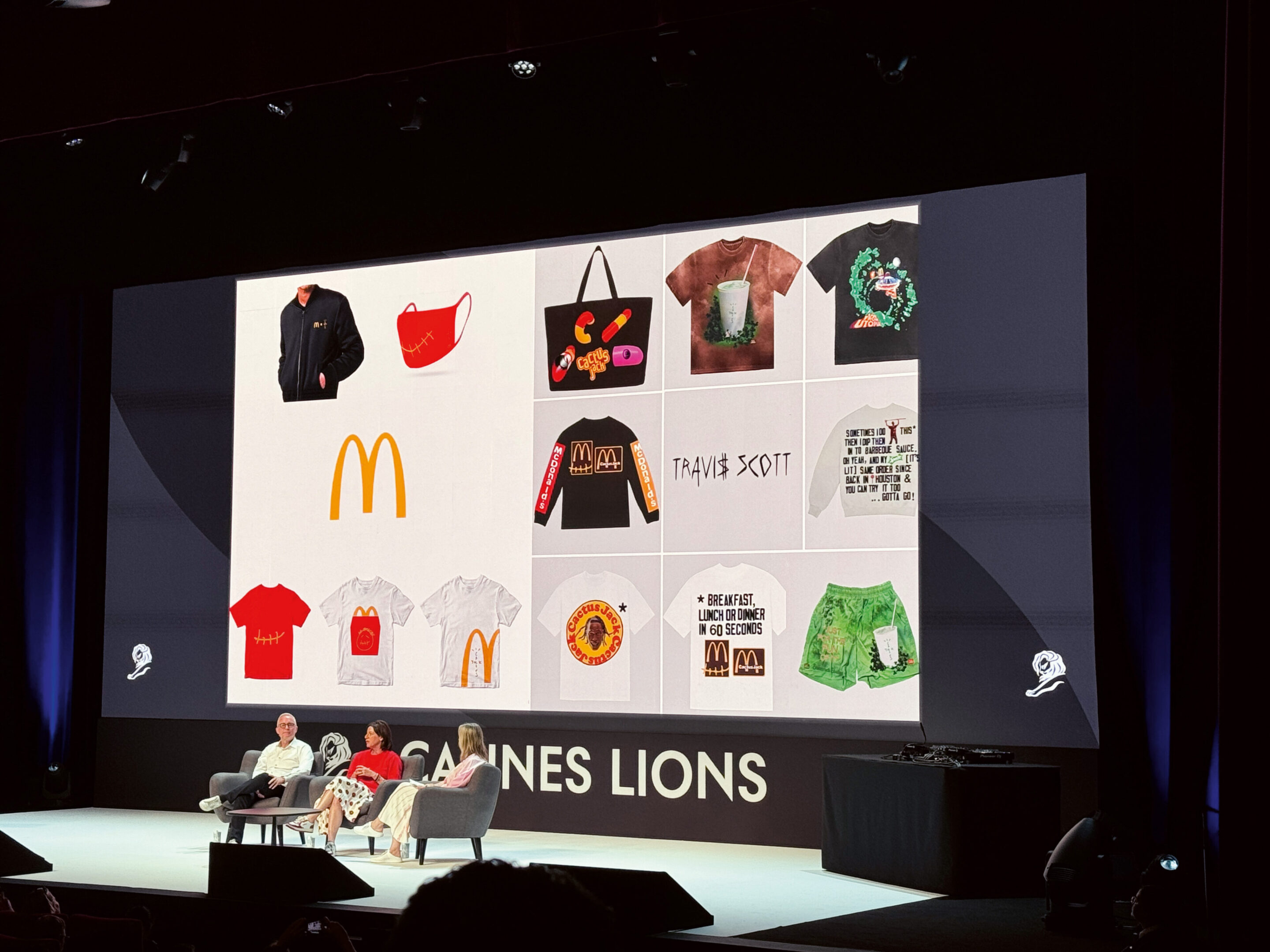
As soon as several products or recurring orders are planned, Branded Merchandise requires structured organisation. First, it should be clear which quantities are needed and which delivery dates are realistic. This is followed by coordination of production and finishing. For product ranges used on a permanent basis, stock levels also become a focus. Forward-looking planning helps avoid shortages and reduce unnecessary excess stock.
Approvals are also part of the process. If designs or samples are reviewed internally by several parties, each decision requires a defined point in time. Responsibilities should be established so that changes can be completed before production begins.
Aligning Product Range and Quantities with Actual Demand
A manageable product range is often easier to control and prevents items from remaining in storage permanently. Before ordering, it should be clarified which products are needed regularly and which are intended only for individual campaigns. Specific questions about demand can help with quantity planning:
- Which items are continuously reordered?
- For which products does demand fluctuate throughout the year?
- What quantities are needed for individual campaigns?
- Which products should be permanently available?
- Where is there a risk of stock remaining in storage for too long?
In this way, procurement is based on actual consumption rather than generally defined quantities. For Branded Merchandise with recurring demand, this planning can reduce administrative effort while also preventing too much capital from being tied up in unused stock.
How Pandinavia Provides Comprehensive Support for Merchandise Projects
Pandinavia is a Swiss provider of Branded Merchandise, promotional items, Corporate Wear and merchandising fulfilment for companies. We develop, procure and finish individual merchandising products. Upon request, Pandinavia also handles storage and E-Commerce as well as international logistics. This means the collaboration can extend beyond product selection to include the ongoing management of a product range.
Developing and Finishing Individual Product Ideas Professionally
For individual merchandise projects, a product is selected that aligns with the brand image and is suitable for the intended area of use. Pandinavia takes into account the target group and the company’s corporate identity guidelines. The intended usage situation is also considered in the selection. It is then determined how extensively the product should be customised. Depending on the concept, special colours or specially developed details may be considered. The finishing is tailored to the product and the desired effect.
For Branded Merchandise with a high level of recognition, this coordination is particularly relevant. Product and design are considered together so that the customised solution fits coherently within the existing brand world.
Fulfilment and E-Shops Simplify Permanently Used Product Ranges
For merchandise ranges used on a permanent basis, the organisational effort quickly increases: products must remain available, orders must be processed and shipments must be dispatched. Pandinavia offers individually configured E-Shops and fulfilment solutions for this purpose. For larger companies, such shops can be linked to internal procurement programmes. Storage and international distribution structures are also part of the offering.
A concrete example is Mobiliar’s E-Shop. Pandinavia is responsible for procurement and goods logistics, among other things; the shop also features SAP integration and automatically generated reports. For companies with permanent Branded Merchandise, such a structure can consolidate orders and significantly simplify the management of a growing product range.
Frequently Asked Questions About Branded Merchandise
Branded Merchandise is more closely tailored to the target group, brand image and usage situation. The item should convey an appropriate message and remain relevant beyond the original occasion. Pandinavia therefore understands Premium Branded Merchandise as individually planned branded products with carefully selected quality and design.
Branded Merchandise is suitable for companies that want to make their brand visible through physical products. Possible applications range from onboarding and customer gifts to permanently operated merchandise ranges. This approach is particularly useful when products are used regularly and serve a specific purpose within brand communication.