When companies give something away, more happens than a simple exchange of objects. Every product handed over carries a message, whether intentionally created or not. Corporate gifts communicate attitude, priorities, and the way a company understands its relationships. They can express appreciation, strengthen trust, or make a shared direction visible. At the same time, they show how seriously a brand takes its own values and whether these are reflected in everyday actions.
The choice of a gift is therefore never neutral. It reveals how thoughtfully or superficially a relationship is maintained, how much attention is given to details, and which topics truly matter to the company. At a time when authenticity is increasingly expected, corporate gifts become a test of credibility.
Why Corporate Gifts Communicate More Than Words
While companies often formulate their values in mission statements, they only truly become visible through concrete actions. Gifts are among the few moments when a brand presents itself without expecting something directly in return. They are not advertising in the traditional sense but a sign of attention.
Those who choose carefully send a clear signal. Those who rely on standard solutions tend to communicate indifference. The impact unfolds on several levels:
- A well-chosen gift creates an emotional connection that goes beyond rational arguments
- The quality of materials signals how important the relationship is
- The design reveals how much effort was invested in the selection
- The sustainability of the product shows whether responsibility is merely claimed or truly practiced
Gifts as a Visible Sign of Values
A gift becomes meaningful when it has a recognizable connection to the company’s identity. This can be reflected in the choice of materials, the origin of the product, or the way it is designed. If a company emphasizes sustainability but distributes cheap disposable products, a contradiction arises. If it promises innovation but relies on interchangeable standard items, credibility is lost.
Common Mistakes When Choosing Gifts
- Logo-heavy products that nobody enjoys using
- Cheap mass-produced items that break quickly
- Gifts without any connection to the brand or the occasion
- Impersonal standard packages for all recipients
The Difference Between Attention and Meaning
Not every gift needs to carry a deeper meaning. Sometimes it is enough to show presence or create a friendly gesture. However, if companies want to communicate their brand values seriously, more is required. The gift should not only be appreciated but should establish a meaningful connection to the relationship or occasion. This distinction helps make the right choice and avoid creating false expectations.
Corporate Gifts in the Context of Company Culture
What is given externally often reflects how things are handled internally. Companies that value their employees also demonstrate this through their selection of gifts for external partners. Those who focus on quality and care internally usually carry these principles outward as well. Corporate gifts should therefore never be viewed in isolation but as part of a larger whole.
How Values Are Expressed Internally and Externally
A company’s culture becomes visible through recurring patterns:
How are decisions made?
Which topics are prioritized?
How are mistakes handled?
All of this influences the way communication happens externally. Gifts are no exception.
They can be understood as an extension of internal values. A company that takes supply chains seriously will also pay attention to where gift products come from. A business that values design will not distribute carelessly designed items. This consistency is noticed, even when it is never explicitly mentioned.
Impact Is Created Through Timing and Relationships
A well-chosen gift is not only a question of the product itself but also of choosing the right moment. Those who give too early may appear intrusive. Those who give too late leave an impression of carelessness. Timing influences how a gift is perceived and which meaning is attached to it.
Occasions, Expectations and Closeness to the Recipient
Some occasions are clearly defined: anniversaries, project completions, holidays. Others arise naturally through ongoing collaboration. Expectations vary depending on the context. After closing a business deal, a symbolic gift may be appropriate, whereas a long-term partnership may deserve something more personal.
Typical Occasions for Corporate Gifts
- Project completions and successful collaborations
- Employee anniversaries or business relationship milestones
- Holidays such as Christmas or local celebrations
- Thank-you gifts for exceptional achievements
- Welcome gifts for new partners or employees
- Events and trade fairs
The “When” Influences “How It Is Received”
Unexpected gifts often create a stronger impact than those handed over during expected occasions. A thank-you outside the usual framework can create genuine appreciation. At the same time, there are moments when a gift is expected and its absence may leave a negative impression. The goal is to find the right balance between routine and surprise, as well as between obligation and a genuine gesture.
Translating Brand Values Instead of Simply Printing Them
Many companies place their logo prominently on gifts under the assumption that this strengthens the brand. However, this only works if the product itself is already convincing. A poor-quality product with a large logo does more harm than good. The better strategy is to select products that stand on their own and subtly carry the brand values with them.
Products That Represent an Attitude
Certain products already communicate something on their own. Sustainably produced textiles reflect responsibility. High-quality everyday products signal long-term thinking.
Innovative materials communicate future orientation. The objective is to find products whose inherent message aligns with the company’s values.
Examples of Value-Based Product Selection
- Drinking bottles made from recycled materials for environmentally conscious brands
- Premium writing instruments for industries that value precision
- Textile bags made from organic cotton for socially oriented companies
- Durable tools or accessories for craft-focused businesses
- Technical gadgets for innovation-driven industries
Subtle Design as an Expression of Confidence
Brands that do not require aggressive visibility can afford subtle design. A small, well-positioned logo or understated color scheme is often enough. This restraint is frequently perceived as elegant and confident. It demonstrates that the company does not rely on loud promotion but instead convinces through quality. Corporate gifts with understated aesthetics also have a greater chance of being used in everyday life because they integrate more naturally into daily routines.
Quality as a Signal of Appreciation and Trust
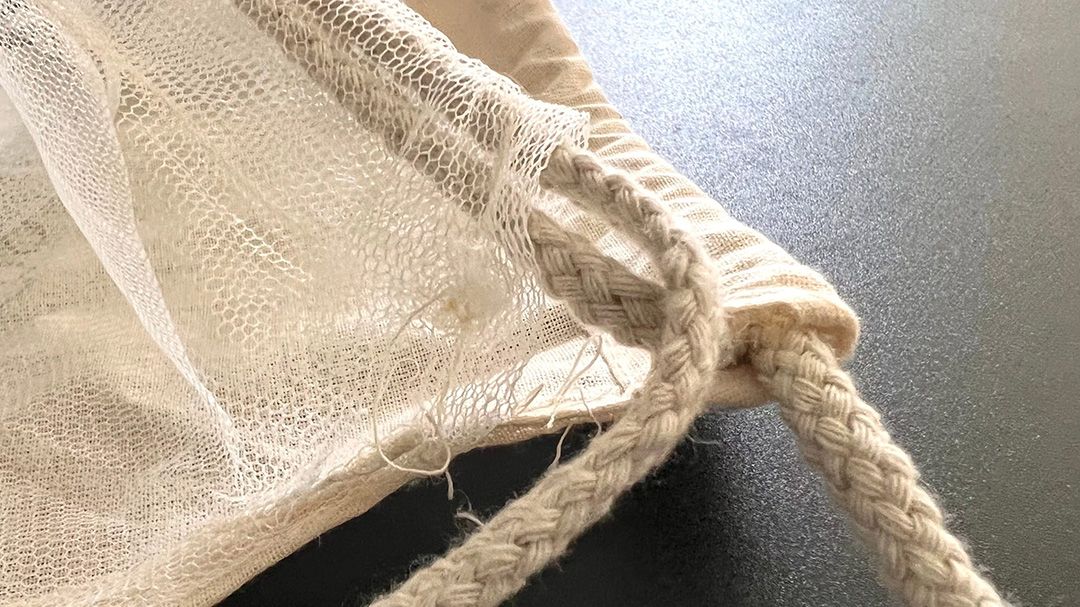
If a corporate gift feels cheap or breaks quickly, it leaves a negative impression. Quality, on the other hand, is understood as a sign of respect. It shows that the company values the relationship enough to invest in something worthwhile. This applies equally to materials, workmanship, and functionality.
Long-Lasting Products Instead of Short-Term Effects
Short-lived promotional items quickly disappear into drawers or waste bins. They leave no lasting impression and contribute little to brand loyalty. Durable products accompany the recipient for months or years. Each use becomes a reminder of the company that gave it. That ongoing presence is more valuable than a brief moment of excitement.
Characteristics of High-Quality Corporate Gifts
- Durable materials that withstand regular use
- Timeless design that does not become outdated after one season
- Functionality that remains relevant over time
- Clean workmanship without visible defects
Sustainability as a Fixed Part of the Message
More and more companies are choosing sustainable products, not only out of conviction but also because customers and employees increasingly expect it. Corporate gifts provide an excellent opportunity to demonstrate this attitude without having to explain it extensively. The choice of the right material and supply chain speaks for itself.
Showing Responsibility Without Long Explanations
Sustainable corporate gifts do not need to be accompanied by certificates and explanations to achieve their effect. Often, it is enough if the product tells its own story. Recycled materials, fair production conditions, or regional sourcing are characteristics that can be recognized without being loudly communicated. This quiet persuasive power is often more effective than any advertising campaign.
Careful Material Selection and Production
The origin of materials and the conditions under which products are manufactured are increasingly coming into focus. Companies that act transparently and rely on verified standards build trust. This applies especially to textile products, where supply chains are often complex. Companies such as Pandinavia, which has been a member of BSCI since 2008 and produces in a climate-neutral way, demonstrate that sustainability does not have to be a marketing phrase but can be lived practice.
Criteria for Sustainable Gift Selection
- Use of organic cotton or recycled fibers
- Certifications such as ClimatePartner or GOTS
- Production under fair working conditions
- Avoidance of unnecessary packaging
- Durability and repairability of products
- Transparent supply chains with traceable origins
Corporate Gifts for Different Relationship Levels
Not every target group should be treated in the same way. Employees have different expectations than business partners, and customers perceive gifts differently again. Understanding these different relationship levels helps select suitable products and avoid misunderstandings.
Employees, Business Partners and Customers
Employees appreciate corporate gifts that strengthen their sense of belonging to the company and are useful in everyday life. Textile items such as jackets or bags can also be meaningful here, creating a sense of pride in the brand. Business partners expect professionalism and quality, but not excessive generosity that may create discomfort. Customers, in turn, appreciate gestures that are practical and ideally leave a positive memory of the collaboration.
Different Roles Require Different Signals
The relationship between the company and the recipient determines what type of gift is appropriate. A long-term partner may deserve something more personal, while a new contact may be better suited to a neutral but high-quality product. Industry also plays a role. What works well in a creative environment may feel out of place in a conservative industry. This sensitivity to context and expectations is crucial for the impact of corporate gifts.
Pandinavia and the Approach to Thoughtful Corporate Gifts
Companies that take gifts seriously need partners who go beyond simply offering products. Pandinavia from Kloten sees itself as a companion in developing gift concepts that fit the brand, occasion, and target audience. With more than 50 years of experience in promotional products and merchandising, the company has developed a strong understanding of what works and what does not.
Consulting Based on Brand, Occasion and Relationship
Instead of browsing standard catalogs, Pandinavia focuses on individual consultation.
Which values should be communicated?
Who is the target audience?
What is the occasion?
These questions form the beginning of every project. Through membership in the international Prominate network, the company can also support globally active businesses and implement consistent solutions across borders. References such as the TCS Clubshop and the Pilatus Collection show that both traditional promotional products and complex merchandising solutions, including e-shop and logistics services, are part of the offering.
Individual Concepts Instead of Standard Packages
Every company is different, and accordingly, its gifts should also be individual. Pandinavia develops concepts tailored to specific requirements, whether in selecting sustainable materials, designing corporate wear, or implementing fulfillment solutions.